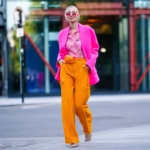

Why Occasion-Based Dressing Matters
Dressing according to the occasion is an important part of personal style. The same outfit does not work for every situation. What you wear affects how people see you and how comfortable you feel in that environment.
When you dress appropriately:
- You look more confident
- You create a good impression
- You feel comfortable in social situations
- You show respect for the event
Good fashion sense means knowing what to wear and when to wear it.
Casual Wear Style
Casual wear is for relaxed and everyday situations. It focuses on comfort and simplicity.
Best casual clothing:
- T-shirts
- Jeans
- Hoodies
- Sneakers
Casual outfits are perfect for:
- Hanging out with friends
- Shopping
- Daily activities
- Home wear
Casual fashion should always feel easy and comfortable.
Smart Casual Style
Smart casual is a mix of formal and casual fashion. It looks neat but not too strict.
Best smart casual items:
- Polo shirts
- Chinos
- Clean sneakers
- Light jackets
Good for:
- Small gatherings
- Casual office days
- Dinner outings
Smart casual is one of the most versatile styles.
Formal Wear Style
Formal wear is used for professional and serious occasions.
Best formal clothing:
- Dress shirts
- Trousers
- Blazers
- Formal shoes
Suitable for:
- Office meetings
- Interviews
- Business events
- Official functions
Formal dressing creates a strong and professional image.
Party Wear Style
Party outfits are more stylish, bold, and attractive.
Best party clothing:
- Stylish shirts or dresses
- Fashionable jackets
- Trendy footwear
- Accessories
Party wear is used for:
- Birthdays
- Celebrations
- Night events
- Social gatherings
The goal is to look fashionable and confident.
Wedding and Traditional Wear
Weddings require elegant and traditional clothing.
Examples:
- Sherwani
- Suit with tie
- Saree
- Kurta pajama
Weddings are special occasions, so outfits are usually more detailed and decorative.
Travel Outfit Style
Travel clothing should be comfortable and practical.
Best travel wear:
- Joggers
- T-shirts
- Hoodies
- Sneakers
Travel outfits should allow easy movement and comfort for long hours.
Sports and Active Wear
Sports outfits are designed for movement and physical activity.
Best options:
- Tracksuits
- Sports T-shirts
- Shorts
- Running shoes
These clothes focus on flexibility and comfort.
College and School Style
Students need simple and comfortable outfits for daily wear.
Common choices:
- Jeans and T-shirts
- Casual shirts
- Sneakers
The focus is on comfort and neat appearance.
Seasonal Outfit Planning
Clothing should also match the weather.
Summer:
- Light fabrics
- Bright colors
- Breathable clothes
Winter:
- Jackets
- Sweaters
- Layered outfits
Rainy season:
- Waterproof items
- Quick-dry clothing
Season-based dressing improves comfort.
Importance of Matching Accessories
Accessories complete your outfit for any occasion.
Examples:
- Watch for formal wear
- Caps for casual wear
- Belts for office outfits
- Bags for travel
Accessories should match the event style.
Common Dressing Mistakes
Many people wear wrong outfits for occasions.
Mistakes include:
- Wearing casual clothes to formal events
- Overdressing for simple outings
- Ignoring dress code
- Poor color matching
Avoiding these mistakes improves your fashion sense.
Building Occasion-Based Wardrobe
A smart wardrobe includes outfits for different situations.
Basic wardrobe:
- Casual clothes
- Formal clothes
- Party outfits
- Travel wear
This makes dressing easier every day.
Confidence in Dressing
No matter what you wear, confidence is the key.
When you feel confident:
- Your outfit looks better
- Your posture improves
- You make a strong impression
Confidence completes your style.
Conclusion
Dressing according to occasion is an important skill in fashion. It helps you look appropriate, stylish, and confident in every situation.
By understanding casual, formal, party, and travel styles, you can easily choose the right outfit for any event.
Good fashion is not just about clothes—it is about knowing how to present yourself correctly in every moment.