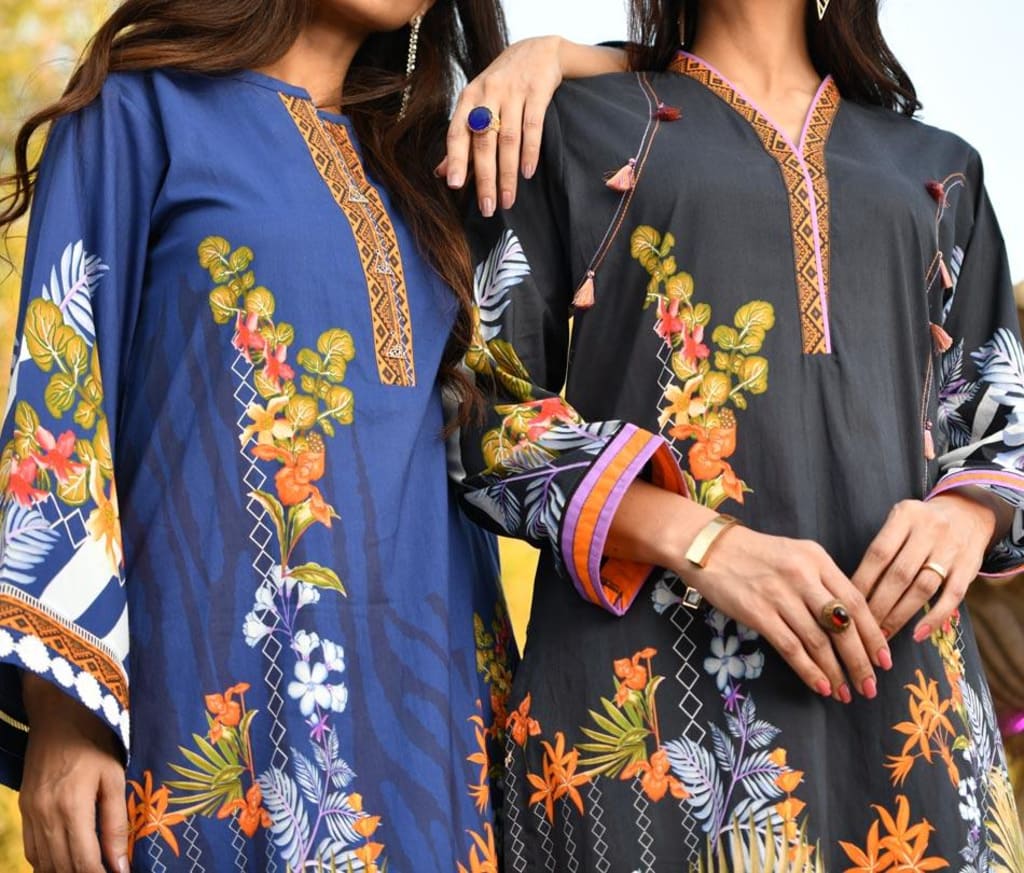

Understanding Both Fashion Styles
Clothing styles are mainly divided into traditional and western fashion. Both styles are popular across the world and represent different cultures, lifestyles, and fashion preferences.
Traditional clothing reflects cultural identity, history, and heritage, while western clothing focuses more on modern trends, comfort, and global fashion influence.
Understanding both styles helps you dress better for different occasions and situations.
What Is Traditional Clothing?
Traditional clothing refers to outfits that represent cultural and regional identity. These clothes are often worn during festivals, weddings, and special events.
Examples include:
- Shalwar kameez
- Saree
- Kurta
- Dhoti
- Kimono (in Japan)
Traditional wear is deeply connected with cultural values and customs.
Importance of Traditional Clothing
Traditional clothing is more than fashion—it represents heritage and identity.
Key importance:
- Preserves culture
- Represents traditions
- Used in festivals and events
- Creates elegant and respectful appearance
It connects people with their roots and history.
What Is Western Clothing?
Western clothing refers to modern fashion styles influenced by global trends. These clothes are widely worn in daily life, offices, and casual settings.
Examples include:
- Jeans
- T-shirts
- Shirts
- Jackets
- Dresses and skirts
Western fashion is known for its comfort, simplicity, and versatility.
Importance of Western Clothing
Western clothing is popular because it fits modern lifestyles.
Key benefits:
- Easy to wear daily
- Comfortable and practical
- Suitable for all ages
- Matches modern fashion trends
It is widely used in schools, offices, and casual life.
Traditional vs Western: Style Difference
Both styles are different in design and purpose.
Traditional clothing:
- Cultural and elegant
- Worn on special occasions
- Often more detailed and decorative
Western clothing:
- Simple and modern
- Worn daily
- Focused on comfort and practicality
Each style has its own importance in fashion.
Comfort Comparison
Comfort is a key factor in clothing choice.
Traditional wear:
- Comfortable but sometimes layered
- Best for events and gatherings
Western wear:
- Very comfortable for daily use
- Easy movement and flexibility
Both can be comfortable depending on fabric and design.
Fashion Flexibility
Western clothing is usually more flexible in mixing and matching.
Western fashion:
- Easy to combine outfits
- Wide variety of styles
Traditional fashion:
- Limited combinations but more elegant
- Focus on complete outfits
Both offer different types of fashion flexibility.
Traditional Clothing in Modern Fashion
Modern fashion has started blending traditional and western styles together.
Examples:
- Kurta with jeans
- Saree with modern blouse designs
- Jackets over traditional outfits
This fusion creates unique and stylish looks.
Cultural Importance of Traditional Wear
Traditional clothing is strongly connected to cultural identity.
Importance:
- Represents nationality
- Used in festivals and weddings
- Passed through generations
It is an important part of heritage.
Western Clothing in Everyday Life
Western fashion dominates daily life in many parts of the world.
Common use:
- Office wear
- School uniforms
- Casual outings
- Sportswear
It is practical for fast-paced modern lifestyles.
Style and Appearance Difference
Traditional clothing:
- Elegant and rich look
- More decorative
Western clothing:
- Clean and minimal look
- Modern and simple
Both styles create different fashion impressions.
Seasonal Suitability
Both clothing styles work differently in seasons.
Traditional clothing:
- Can be heavy or light depending on fabric
- Suitable for events
Western clothing:
- Easy to adjust for all seasons
- Wide variety of fabric choices
Seasonal comfort depends on material quality.
Occasion-Based Dressing
Choosing between traditional and western clothing depends on the occasion.
Traditional wear:
- Weddings
- Festivals
- Cultural events
Western wear:
- Office
- Daily routine
- Casual outings
Knowing when to wear what improves your style sense.
Mixing Traditional and Western Fashion
Modern fashion often combines both styles.
Popular combinations:
- Jeans with kurta
- Western jackets with traditional outfits
- Sneakers with ethnic wear
Fusion fashion is becoming very popular among youth.
Common Mistakes in Styling
People often make mistakes while choosing between styles:
- Wearing traditional clothes in casual settings unnecessarily
- Ignoring comfort in fashion choice
- Overcomplicating fusion outfits
- Not matching accessories properly
Avoiding these mistakes improves overall style.
Choosing Your Personal Style
You don’t need to choose only one style. Many people mix both depending on situation.
Tips:
- Use traditional wear for cultural events
- Use western wear for daily life
- Mix both for creative fashion
Personal style is about balance and comfort.
Conclusion
Traditional and western clothing both play an important role in fashion. Traditional wear represents culture and identity, while western wear focuses on modern comfort and lifestyle.
Instead of choosing one, the best approach is to understand both and use them according to occasion and need.
A smart fashion sense comes from balancing culture, comfort, and personal style in the right way.