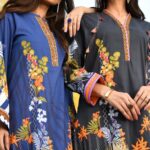

What Is Personal Style?
Personal style is the way you express yourself through clothing. It is not about copying celebrities or following every trend. Instead, it is about wearing what suits your personality, body, and lifestyle.
When you develop your own style, your outfits start to feel natural, confident, and consistent. People also begin to recognize you through your dressing sense.
Why Personal Style Is Important
Having a clear style makes your life easier and improves your confidence.
Benefits include:
- Faster outfit decisions
- Strong first impression
- Better confidence
- Clear identity
- Less confusion in fashion choices
A strong personal style reflects who you are without saying a word.
Step 1: Understand Your Lifestyle
Your clothing should match your daily life. Different lifestyles need different styles.
Examples:
- Students need casual and comfortable clothes
- Office workers need formal or smart casual outfits
- Active people need sporty and flexible clothing
When your clothes match your lifestyle, everything feels more natural.
Step 2: Know Your Body Shape
Understanding your body shape helps you choose clothes that look better on you.
Basic idea:
- Slim body: fitted clothes add structure
- Heavy body: straight and dark outfits balance look
- Tall body: balanced proportions work best
- Short body: vertical styles create height illusion
When clothes match your body type, your appearance improves instantly.
Step 3: Choose a Color Direction
Colors are a big part of personal style. You don’t need all colors—just a consistent palette.
Good approach:
- Pick 2–3 main colors
- Add 1–2 neutral shades
- Stick to combinations that suit you
Common stylish colors:
- Black
- White
- Grey
- Navy blue
- Beige
This creates a clean and consistent look.
Step 4: Keep Clothing Simple
Simple clothing is the foundation of strong personal style.
Good basics:
- Plain T-shirts
- Clean jeans
- Solid shirts
- Minimal designs
Simple outfits are easier to mix and always look modern.
Step 5: Build Signature Outfits
A signature outfit is a combination you wear often and feel confident in.
Examples:
- White T-shirt + jeans + sneakers
- Shirt + trousers + formal shoes
- Hoodie + joggers + casual shoes
These become your “go-to” looks.
Step 6: Focus on Fit and Comfort
Fit is more important than brand or price. Even expensive clothes look bad if they don’t fit properly.
Good fit means:
- Comfortable movement
- Balanced appearance
- Not too tight or too loose
Comfort builds confidence, and confidence improves style.
Step 7: Add Minimal Accessories
Accessories should support your outfit, not overpower it.
Good choices:
- Watch
- Simple belt
- Sunglasses
- Clean shoes
Keep it minimal and meaningful.
Step 8: Develop Consistency
Consistency is what makes your style recognizable. Wearing completely different styles every day can create confusion.
Tips:
- Stick to similar color tones
- Keep outfit structure similar
- Avoid random fashion changes
Consistency builds identity.
Step 9: Avoid Copying Others Blindly
It is good to take inspiration, but copying others completely will not work.
Problem with copying:
- Clothes may not suit your body
- Style feels unnatural
- No personal identity
Instead, adapt ideas and make them your own.
Step 10: Upgrade Slowly
You don’t need to change your entire wardrobe at once. Personal style develops over time.
Steps:
- Replace old clothes slowly
- Add better quality basics
- Remove unused items
Slow improvement leads to long-term results.
Common Personal Style Mistakes
Many people struggle because of simple mistakes:
- Following every trend
- Ignoring comfort
- Wearing random outfits daily
- Overcomplicating fashion
- Not understanding body shape
Avoiding these improves your style quickly.
Confidence Is the Final Step
No outfit works without confidence. How you carry yourself matters more than what you wear.
When you feel confident:
- Your posture improves
- Your outfit looks better
- Your personality stands out
Confidence is the real foundation of style.
Conclusion
Building a strong personal style is not about expensive clothes or following fashion trends. It is about understanding yourself, choosing simple outfits, and staying consistent.
When you know your body shape, lifestyle, colors, and comfort level, you can create a style that feels natural and powerful.
True personal style is simple, confident, and uniquely yours.